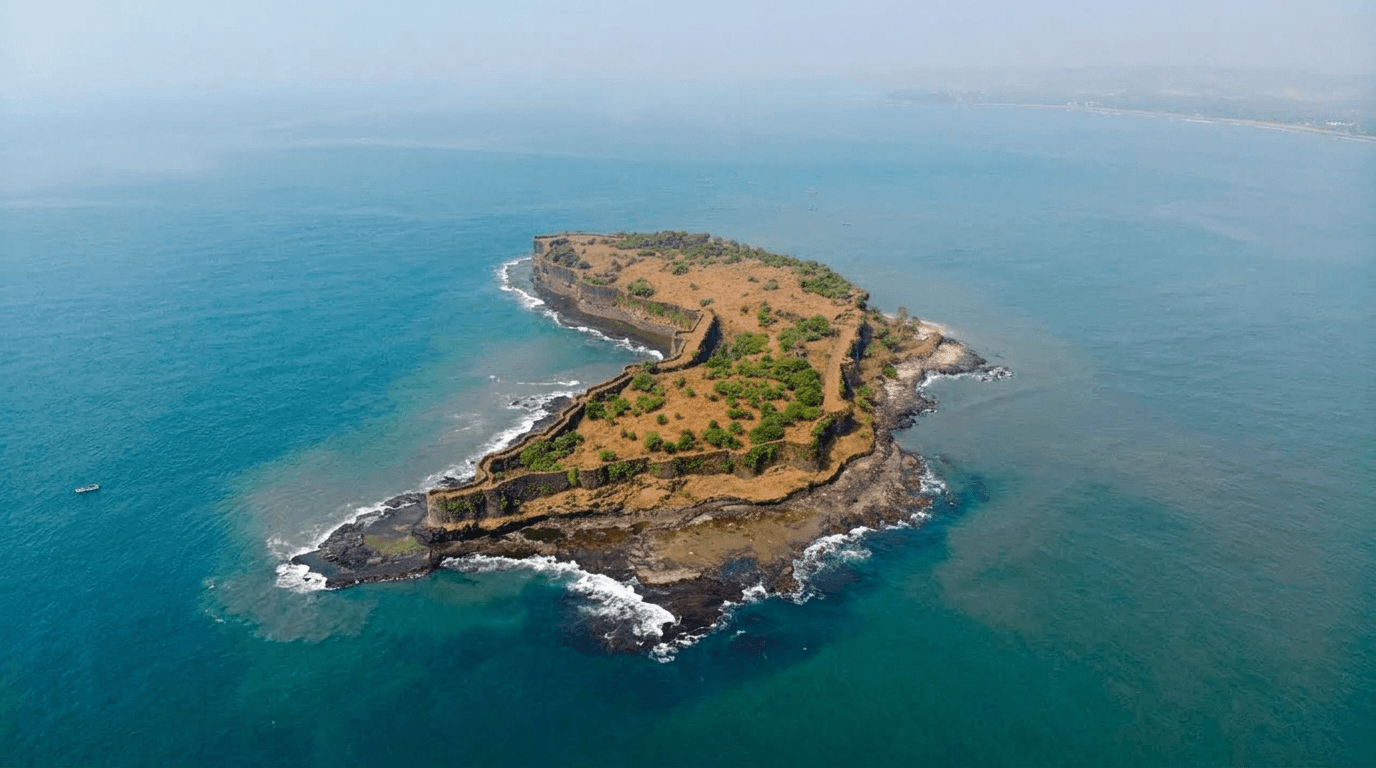
Dapoli is much more than a collection of scenic coastlines, it is an ancient gateway where powerful dynasties, maritime empires, and spiritual sages left permanent marks. From impregnable island fortresses engineered by Chhatrapati Shivaji Maharaj to ancient subterranean cave shrines, this region offers deep exploration for heritage and spiritual travelers alike.

Rich Heritage
Exploring the RICH Heritage, Historic Forts, & Sacred Temples of Dapoli
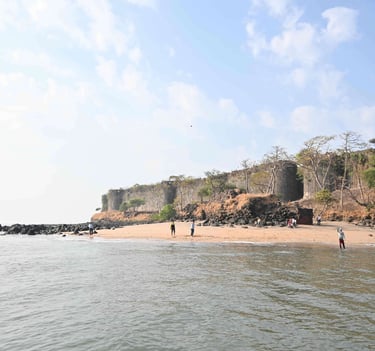
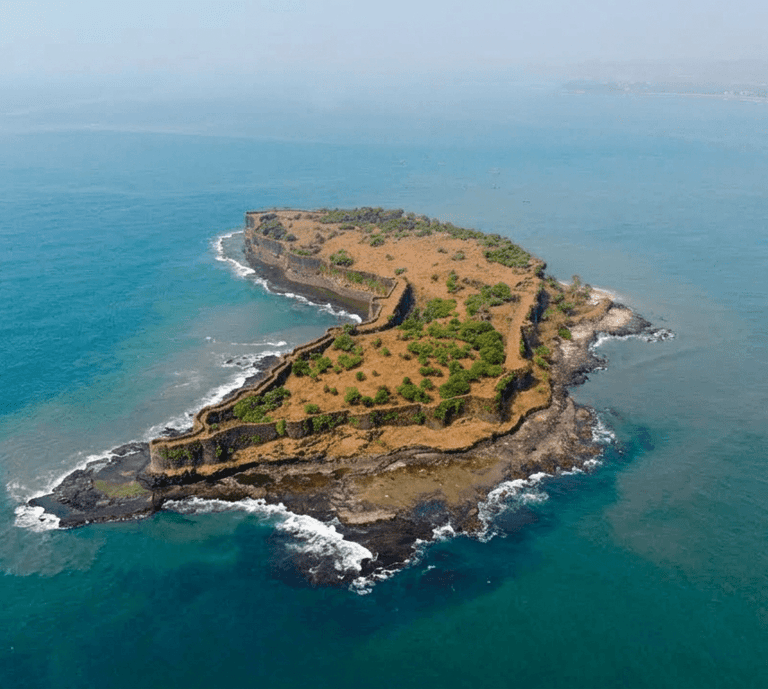
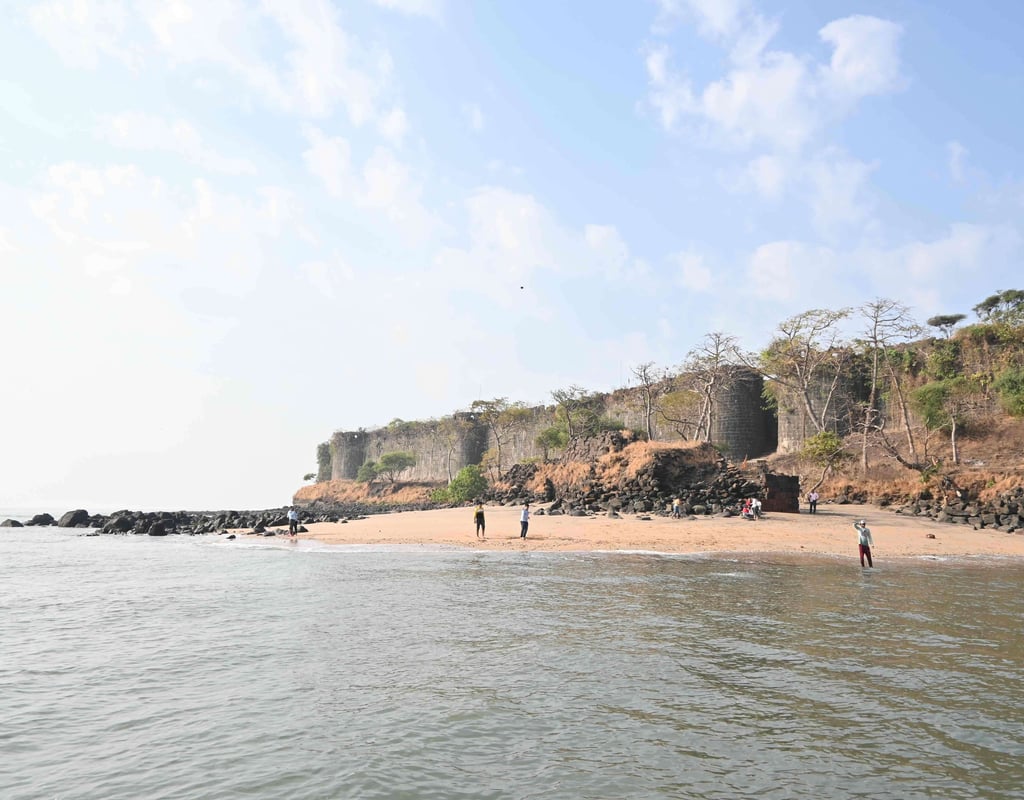
Dapoli’s rich heritage is defined by a massive, 8-acre island sea fortress originally constructed to defend the Konkan coast against foreign armadas. This island stronghold operates alongside interconnected land-based watch-forts that still feature historic, panoramic lighthouses overlooking the Arabian Sea.

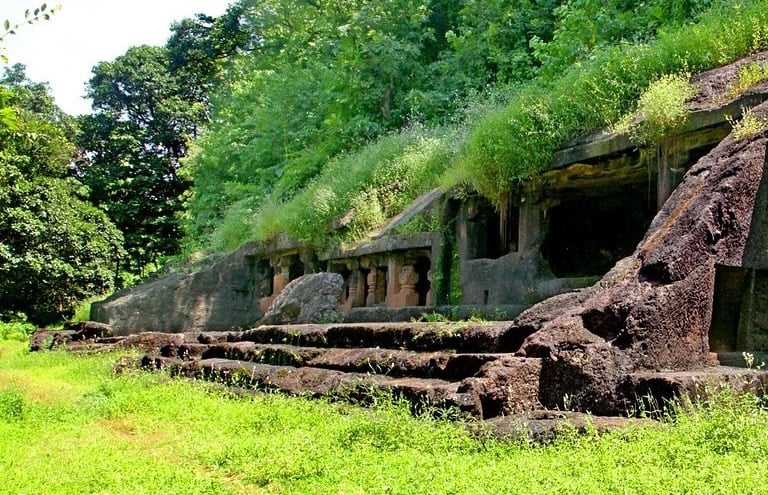
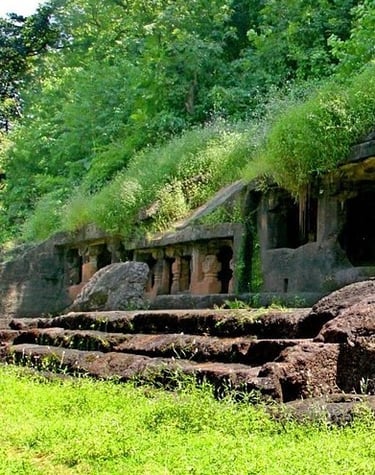
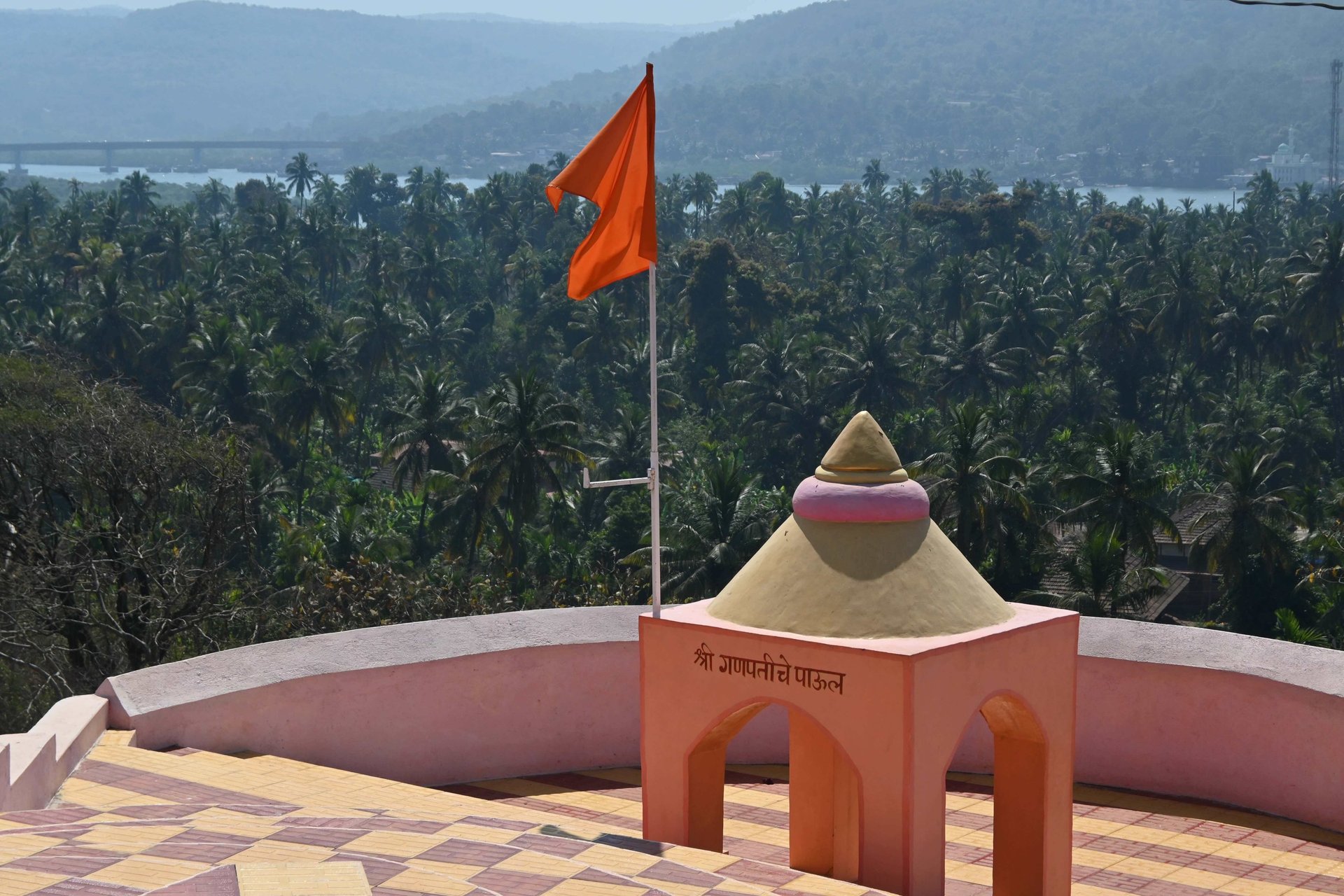
Spiritually, the region is anchored by ancient, deep-forest shrines. One revered temple is hidden amidst dense coconut and betel nut plantations. It requires a scenic trek across a natural freshwater stream and old stone steps to reach a centuries-old idol. Another cliffside temple, dating back to the 12th century, is famous for a unique, highly auspicious right-turning elephant trunk deity. For deep historical exploration, travelers can venture to a nearby complex of 29 rock-cut caves adorned with ancient carvings that date back to the 3rd century.

Heritage & Spiritual Directory

Dapoli has grand maritime and spiritual history, housing remarkable heritage sites

Island Fortresses of the Konkan

The Dapoli coast served as a vital naval defense line for the Maratha Empire against foreign trading powers and regional rivals.

Suvarnadurg Fort (The Golden Fort)

Originally constructed by the Bijapur Sultanate, this massive island sea fortress was captured and extensively fortified by Chhatrapati Shivaji Maharaj in 1660. It became the primary naval headquarters and ship-building base for the legendary Maratha Navy Commander, Kanhoji Angre.

  • Architectural Marvel: Spanning over 8 acres directly in the Arabian Sea, the fort features colossal blocks of dry-fitted basalt stone. Look closely at the main entrance (Maha Darwaja) to find ancient carvings of a protective tiger (Sharabha) clutching elephants in its claws, designed to intimidate approaching ships.

  • How to Visit: Accessible exclusively via traditional, small motorized boats launched by local fishermen from the Harnai Port / Beach

Kanakdurg, Fatehdurg, and Gova Forts

These three land-based coastal forts were built as strategic observation towers to form a defensive ring around Suvarnadurg.

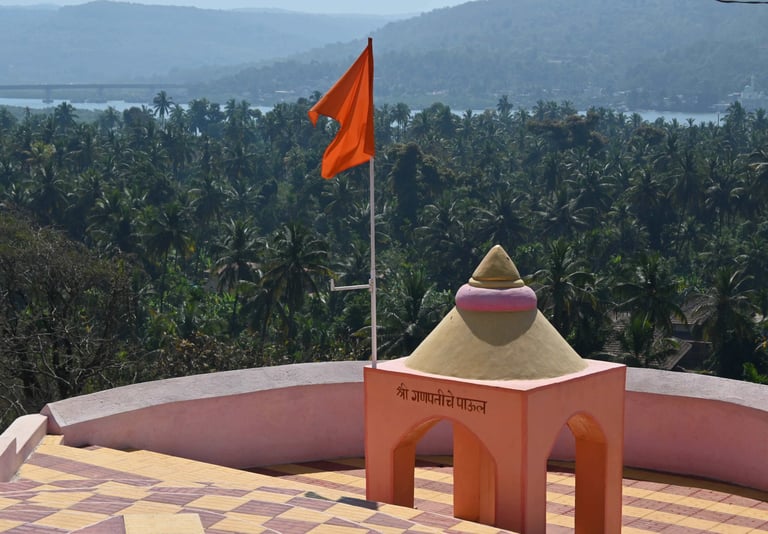
Located right next to the bustling Harnai fish auction market, Kanakdurg is the most accessible. Climb its stone steps to reach a historic lighthouse that provides sweeping, panoramic views of the entire fishing fleet out at sea.

Spiritual Legacy & Architecture

Tucked away in dense valley groves (Wadis) or perched on high cliffs are ancient temples featuring a unique combination of Peshwa-era design, rock-cut architecture, and natural mountain springs.

Kadyavarcha Ganpati (Anjarle) – The Cliffside Ganesha
  • The Heritage: Perched high on a steep cliff overlooking the Arabian Sea in Anjarle village, this is one of the most famous temples in the Ratnagiri district. Built originally with wood in the 12th century, it was later renovated during the Peshwa regime.

  • The Unique Marvel: Unlike most Ganesha idols whose trunks curve to the left, the idol at Anjarle has its trunk curved to the right (Ujwaya Sondecha Ganpati), which holds deep spiritual significance.

  • The View: A well-paved motorable road leads right to the top. Behind the temple shrine, a panoramic viewpoint offers breathtaking views of the Jog River estuary blending into Anjarle Beach.

Keshavraj Temple (Asud)
  • The Heritage: Dedicated to Lord Vishnu, this breathtaking temple is hidden deep within a dense forest valley in Asud village.

  • The Trek: Reaching the temple requires a gentle, 15-minute stone-step trek down a valley and across a freshwater stream. You walk through dense, shaded plantations of betel nut (Supari), coconut, and ancient mango trees.

  • The Gomukh: The highlight is a stone-carved cow's mouth (Gomukh) that channels a natural, perennial mountain spring. The cold, crystal-clear water flows continuously 365 days a year, regardless of the season.

Chandika Devi Temple (Dabhol) – The Subterranean Cave Shrine
  • The Heritage: Located about 28 kilometers from Dapoli town near the historic Dabhol port, this temple is a fascinating archaeological and spiritual site.

  • The Unique Marvel: The entire temple is situated inside a completely dark, natural underground monolithic rock cave. The idol of Goddess Chandika is a self-manifested (Swayambhu) stone sculpture that dates back to the Pandava era.

  • The Experience: Visitors must walk through a low, narrow stone cavern illuminated entirely by traditional oil lamps (diyas). No electricity is permitted inside the core cave sanctuary, creating a serene and mystical atmosphere.

Panhalekaji Caves & Asud Vyaghreshwar Temple
  • Panhalekaji: A complex of 29 rock-cut caves along the Kotjai River spanning over a thousand years of history. They contain ancient sculptures and shrines dedicated to Hinayana Buddhism, classical Hinduism (Shiva and Ganpati footprints), and Nath Panth secret traditions.

  • Vyaghreshwar: An 800-year-old temple dedicated to Lord Shiva, built in the classic Hemadpanthi style using dark volcanic rock. It features intricate stone pillars and a large sculpture of Nandi guarding the entrance.

The Colonial Legacy: "The Camp" and the Mini-Mahabaleshwar Era

In 1818, following the fall of the Maratha Empire in the Third Anglo-Maratha War, the British East India Company took control of the region. Recognizing its uniquely cool elevation and sea breeze, they established a major military station here, naming the area Dapoli Camp.

  • The Architecture: The British designed a sprawling cantonment with wide lanes, administrative bungalows, and military barracks. This cool weather earned Dapoli its permanent nickname: The Mini-Mahabaleshwar of the Konkan.

  • St. Andrew’s Church (1875): Located inside the Camp area, this historic, stone-built Anglican church features classic Gothic-revival architecture. Though currently abandoned, its tall bell tower stands as a beautiful reminder of the region's 19th-century colonial history.

Cultural E-E-A-T Move: The Birthplace of Bharat Ratnas

To truly boost your blog's authority and distinguish it from generic travel sites, highlight that the Dapoli region is the ancestral cradle of three of India's highest civilian award (Bharat Ratna) recipients:

  1. Dr. B.R. Ambedkar: The chief architect of the Indian Constitution. His ancestral roots trace back directly to the village of Ambadawe, located just a short drive from Dapoli town.

  2. Maharishi Dhondo Keshav Karve: A pioneering social reformer for women's education and welfare, born in the village of Murud in Dapoli.

  3. Mahamahopadhyaya Pandurang Vaman Kane: A world-renowned Indologist and Sanskrit scholar who spent his early formative years in this region.